
Open tray is not always the best answer for every electrical route. A solid bottom cable tray should be selected around the cable route, the installation environment, and the way maintenance teams will work after commissioning. This guide gives engineers, contractors, and purchasing teams a practical way to compare options before a submittal is approved.
The search intent behind solid bottom cable tray is usually practical rather than academic. Buyers want to know when it is appropriate, what details should be checked, and how to avoid ordering parts that do not match the real site conditions.
Dónde encaja esta solución
It is often selected where cables need more shielding from dust, debris, accidental contact, or a visually controlled pathway through occupied or equipment-heavy spaces. In these cases, solid bottom cable tray is useful because it connects cable organization with installability. It also helps the project team keep the route easier to inspect, expand, and repair.
- The route passes through dusty or busy service areas.
- Cables need a cleaner enclosed pathway.
- Control wiring benefits from organized separation.
- The owner wants a neater visible installation.
- Covers and fittings must be coordinated from the beginning.
Un estándar sistema de bandeja portacables is intended to support and route insulated cables while keeping them accessible. A well specified solid bottom cable tray does that job while also addressing the extra project concern that makes this topic worth separating from a general tray purchase.
Factores de especificación a confirmar
The most reliable specification describes the route, cable schedule, material, accessories, and inspection requirements. A vague request for solid bottom cable tray can lead to substitutions that look close on a quotation but create field problems during installation.
| Artículo | Por qué es importante | Qué comprobar |
|---|---|---|
| Condición de ruta | El espacio circundante afecta la selección de materiales y accesorios. | Check dust, splash, access, and nearby mechanical work. |
| Horario de cable | El tamaño, el peso, la agrupación y la asignación futura del cable dan forma al sistema. | Confirm cable heat, grouping, bend radius, and spare capacity. |
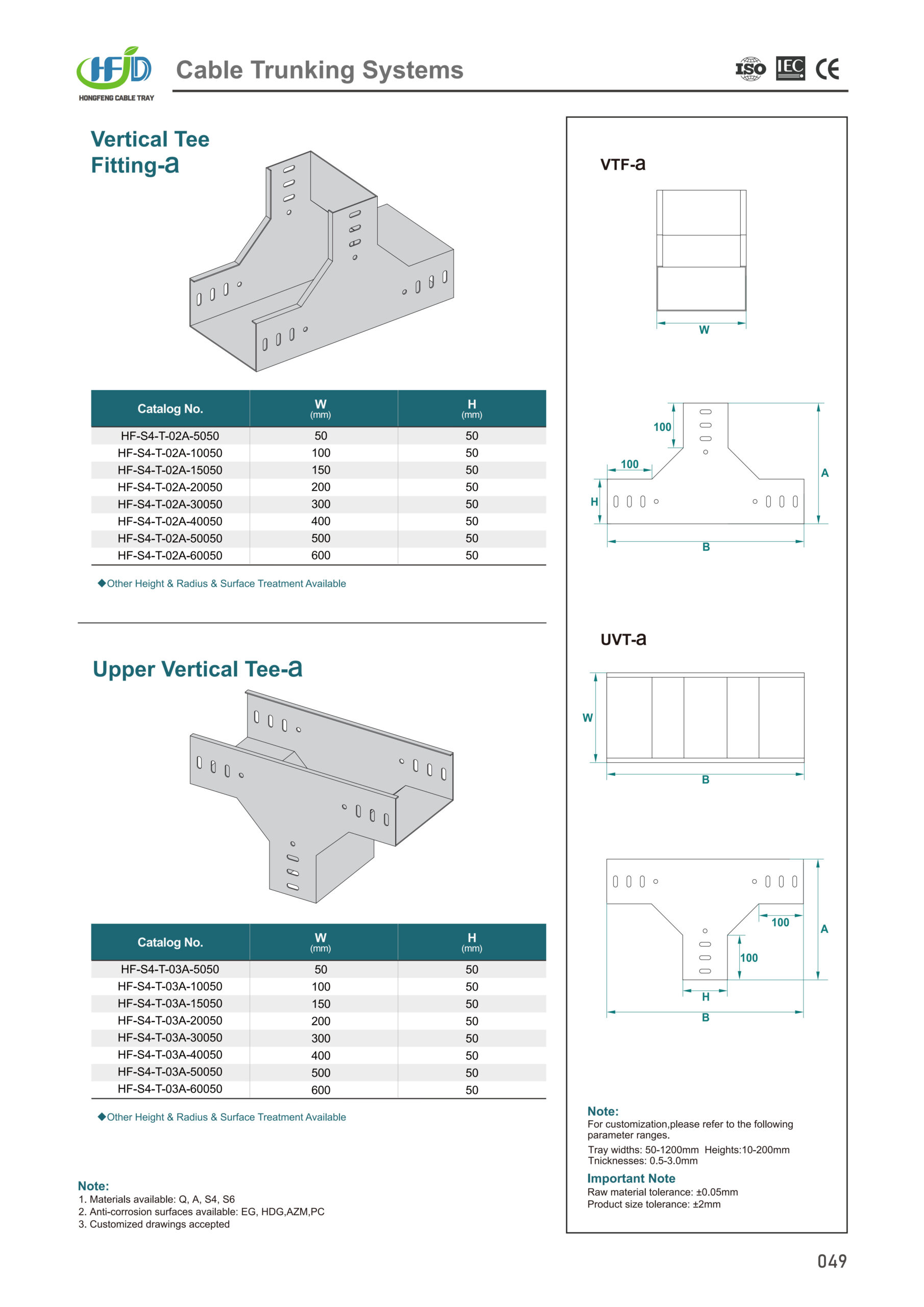
| Accesorios | Las piezas coincidentes reducen el corte, el retrabajo y la alineación desigual. | Review covers, elbows, tees, reducers, dividers, and couplers. |
| Método de soporte | El sistema debe permanecer estable en carreras rectas, curvas y transiciones. | Coordinate supports below enclosed sections and fittings. |
| Acceso de mantenimiento | Las rutas que no se pueden inspeccionar se vuelven costosas de operar. | Plan removable covers around inspection and pull points. |
Para proyectos en los Estados Unidos, los equipos eléctricos suelen revisar los requisitos de instalación en comparación con Código Eléctrico Nacional NFPA 70. Las prácticas de construcción e instalación de bandejas de cables también pueden hacer referencia a estándares industriales reconocidos NEMA. Confirme siempre la edición aplicable y los requisitos de las autoridades locales.
Detalles del material y la instalación
Steel, galvanized, stainless, or coated trunking should be selected around environment and finish requirements. The correct solid bottom cable tray decision should account for corrosion, load, finish, cable bend radius, and how the installer will handle direction changes. Material choice should also match fasteners, couplers, brackets, and field touch-up procedures.
Review cover access, field cutting, edge protection, and heat considerations before ordering. This is where a coordinated product package matters. Review the related options from a fabricante de bandejas de cables, incluido bandeja para cables de fondo sólido y canalización de cables con recubrimiento en polvo, por lo que la ruta no se ensambla a partir de piezas incompatibles.

Errores comunes a evitar
The common mistake is choosing enclosure without checking cable heat and access. A solid bottom cable tray may be a small part of the electrical package, but poor coordination can cause delays, missing fittings, or installation shortcuts. Ask for drawings, accessory lists, and material notes before purchase approval.
Another common issue is treating solid bottom cable tray as a single item instead of a route system. Straight sections, bends, reducers, support hardware, covers, bonding details, and fasteners should be checked together. This prevents gaps between the purchase order, the drawing, and the actual site work.
For submittal review, ask the supplier to identify every solid bottom cable tray component that belongs in the route. The approved solid bottom cable tray package should match the drawing, accessory list, support layout, and maintenance access plan.
Preguntas antes de realizar el pedido
- ¿Qué tipos de cables, pesos de cables y asignación de expansión futura están incluidos?
- ¿Estará la ruta expuesta a humedad, polvo, luz solar, productos químicos, vibraciones o impactos?
- ¿qué accesorios se requieren para curvas, caídas, ramas y transiciones?
- ¿Cómo asegurarán y alinearán los instaladores el sistema a lo largo de toda la ruta?
- ¿el envío muestra material, acabado, dimensiones, puntos de soporte y acceso a inspección?
- ¿Se ha revisado el diseño según las especificaciones del proyecto y los requisitos del código local?
These questions make it easier to compare one solid bottom cable tray proposal with another without relying on appearance alone. They also help procurement teams identify whether a low-detail quotation is missing fittings, covers, brackets, or installation hardware.
Flujo de trabajo de selección práctica
Start with the cable function and the exposure problem you are trying to solve. Then review the cable schedule, environmental exposure, support spacing, accessories, and maintenance access. The final solid bottom cable tray approval should include product drawings, material notes, accessory quantities, and installation assumptions.
When those details are clear, solid bottom cable tray becomes more than a product name. It becomes a predictable cable management choice that helps installers build the route cleanly and helps owners maintain the electrical system after handover.