
Table of Contents
Cable Tray Material: How to Choose the Right Option for Your Environment
Choosing cable tray width and type is only part of a reliable cable route. The cable tray material often decides how the system handles corrosion, weight, cleaning, sunlight, moisture, chemical exposure, and long-term maintenance. A tray that performs well in a dry electrical room may be a poor choice on a rooftop, in a coastal plant, or near process equipment.
This guide helps procurement teams, MEP engineers, contractors, and facility owners compare cable tray material options before ordering. It does not replace project engineering or local code review. Instead, it gives a practical selection framework so buyers can ask better questions and avoid choosing only by catalogue size. A written cable tray material decision also helps suppliers quote the same system, not several different assumptions.
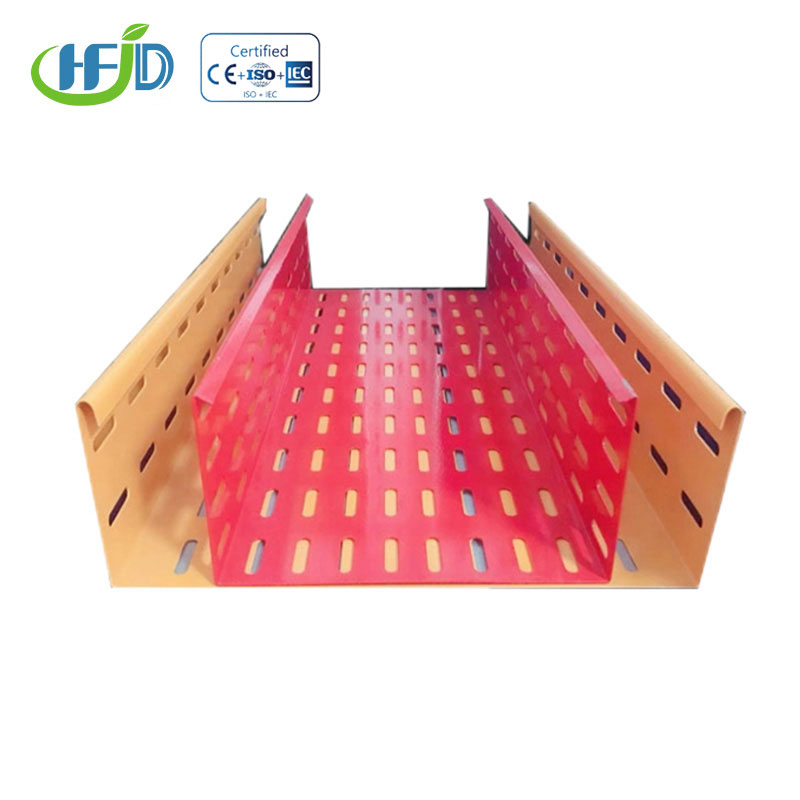
Start With the Installation Environment
The best cable tray material depends first on where the route will be installed. Indoor dry areas, outdoor roofs, tunnels, wastewater facilities, marine-adjacent buildings, clean rooms, and solar farms expose tray systems to different risks. Before comparing materials, define moisture level, temperature range, chemical exposure, UV exposure, cleaning method, and whether the route is visible or hidden.
If this information is missing, the specification becomes guesswork. A buyer may request stainless steel when galvanized steel is enough, or choose light-duty coated steel where stainless steel, aluminum, or FRP should be reviewed. A clear environment note makes the cable tray material decision more defensible.
Galvanized Steel for General Cable Routes
Galvanized steel is widely used because it offers good strength and practical corrosion protection for many commercial and industrial routes. Pre-galvanized steel may suit controlled indoor spaces, while hot-dip galvanized steel is often considered for outdoor or more demanding service. The correct cable tray material choice depends on the exposure level and project specification.
For buyers comparing steel finishes, the existing galvanized vs stainless steel cable tray guide gives a deeper side-by-side view. The important point is to match tray, covers, fasteners, and supports so the system does not age unevenly.
Stainless Steel for Corrosive or Hygienic Areas
Stainless steel is often reviewed when the route faces washdown, chemicals, coastal air, food-related environments, or other corrosive conditions. It can be a strong cable tray material option when the project needs durability without relying only on a coating layer. However, stainless steel grade, surface finish, and fastener compatibility still matter.
Do not treat stainless steel as a single universal answer. The surrounding brackets, clamps, bolts, and anchors should be checked as part of the same cable tray material decision. If mixed metals are used carelessly, maintenance issues can appear at the connection points rather than on the tray body.
Aluminum for Lightweight Cable Management
Aluminum is useful when reduced weight is important, such as rooftop routes, long support spans with limited structural capacity, or projects where handling efficiency matters. As a cable tray material, aluminum can simplify installation because sections are lighter than many steel alternatives. It also offers corrosion behavior that may suit certain outdoor conditions.
Still, aluminum should be checked for load, deflection, support spacing, and compatibility with the surrounding structure. The aluminum cable tray article explains where lightweight cable management makes sense and where stronger or different materials may be preferred.

FRP for Electrical Isolation and Corrosion Resistance
FRP, or fiberglass reinforced plastic, is often considered where corrosion resistance, non-metallic construction, or electrical isolation is important. This cable tray material can be useful in chemical, wastewater, coastal, or other aggressive environments, depending on resin system, design, and project requirements.
FRP is not selected only because it resists corrosion. Engineers should also review temperature limits, fire performance requirements, UV exposure, support spacing, impact risk, and compatibility with cable cleats or fixing hardware. For more detail, see the FRP cable tray selection guide.
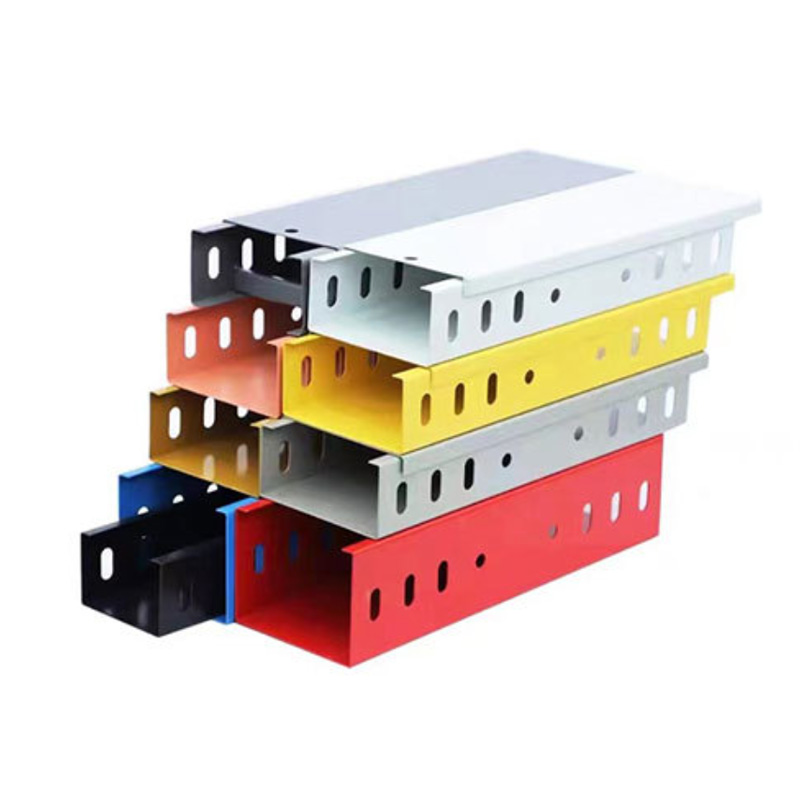
Powder Coated Steel for Color and Added Surface Protection
Powder coated steel may be selected when the route needs color identification, improved appearance, or an additional surface layer over steel. This cable tray material option can be helpful in visible commercial areas, project color coding, or installations where standard metallic finishes do not match site requirements.
The coating specification matters. Buyers should confirm base steel, pretreatment, coating thickness, color, handling protection, and whether field cutting will expose bare metal. A coated tray can look excellent at delivery but still need disciplined installation to avoid coating damage at cut edges and fixing points.
Compare Cable Tray Material Options
| Material option | Common reason to consider it | Main specification check |
|---|---|---|
| Galvanized steel | General strength and practical corrosion protection | Finish type, coating condition, and matching supports |
| Stainless steel | Corrosive, washdown, or hygienic environments | Grade, fastener compatibility, and exposure details |
| Aluminum | Lower weight and easier handling | Load, deflection, and structural compatibility |
| FRP | Non-metallic routing and corrosion resistance | Resin system, fire requirements, UV exposure, and supports |
| Powder coated steel | Color coding or visible finished routes | Base metal, coating durability, and cut-edge treatment |
Use this comparison as a starting point, not as a final approval. The final cable tray material should be confirmed against route drawings, cable load, support layout, environmental exposure, and the project specification.
Do Not Forget Supports and Accessories
A cable tray material decision is incomplete if it only covers straight tray sections. Covers, couplers, brackets, clamps, strut channel, bolts, washers, dividers, and grounding parts should be reviewed together. A durable tray with weaker support hardware can still create corrosion, loosening, or maintenance problems.
For outdoor or corrosive areas, ask whether the accessories should match the tray material or use a compatible finish. For stainless steel or aluminum systems, confirm how mixed-metal contact will be handled. For FRP systems, check how supports and fasteners will connect without damaging the tray. The cable tray material selected for accessories should be just as deliberate as the tray body.
Review Codes, Standards, and Project Documents
The cable tray material should align with project specifications, local electrical rules, and recognized industry references. Useful resources include NEMA VE 1 for metal cable tray systems, the Cable Tray Institute codes and standards resources, and the National Electrical Code where applicable. These references help frame the review, but the engineer’s approved project documents should control the final selection.
When the installation has special hazards, corrosive exposure, fire requirements, or public infrastructure requirements, do not rely on a generic material table. Document the operating environment and ask the supplier to confirm the available product family, finish, and accessory package.
Questions to Ask Before Ordering
Before releasing the purchase order, ask what cable tray material is recommended for the environment, what finish is supplied, what accessories are included, and whether supports match the selected material. Also confirm tray type, width, load requirement, fill allowance, fitting list, and packing method.
Good questions reduce surprises. They also make supplier quotations easier to compare because each offer is judged against the same environment, route, and cable tray material assumptions. Keep that decision record with the order so future replacement parts can match the original system.
FAQ
What is the most common cable tray material?
Galvanized steel is common for many general cable tray routes, but the right cable tray material depends on environment, load, corrosion exposure, support design, and project standards.
When should stainless steel cable tray be considered?
Stainless steel should be considered for corrosive, washdown, coastal, hygienic, or demanding environments where the project requires stronger corrosion performance than ordinary coated steel.
Is aluminum cable tray suitable outdoors?
Aluminum can be suitable outdoors in some projects, but engineers should check load, support spacing, galvanic compatibility, wind exposure, and local specification requirements before ordering.
Why choose FRP cable tray?
FRP may be chosen for non-metallic construction, corrosion resistance, or electrical isolation. The resin system, fire requirements, UV exposure, and support details must still be reviewed.
Should accessories use the same material as the tray?
Accessories should be compatible with the tray and environment. In many projects, matching or compatible materials and finishes reduce corrosion and maintenance issues at connection points.
Request Material Selection Support
PowerCableTray can help review your project environment, cable route, support method, and finish requirements before production. Share the route drawings, installation conditions, and preferred tray type so the cable tray material can be matched with the right accessories and support hardware.