

Table of Contents
Introduction
In modern commercial construction, cable management is no longer just a supporting system—it directly impacts safety, operational efficiency, and long-term maintenance costs. With the increasing complexity of electrical and data systems in office buildings, shopping centers, hospitals, and data centers, choosing the right cable tray system has become a critical engineering decision.
Among the available options, perforated cable trays have gained widespread adoption due to their balance of performance, cost, and flexibility. They are particularly well-suited for commercial environments where moderate load capacity, organized cable routing, and proper ventilation are required.
This guide provides a comprehensive overview of the benefits of perforated cable trays for commercial use, along with practical insights to help you select the right solution for your project.
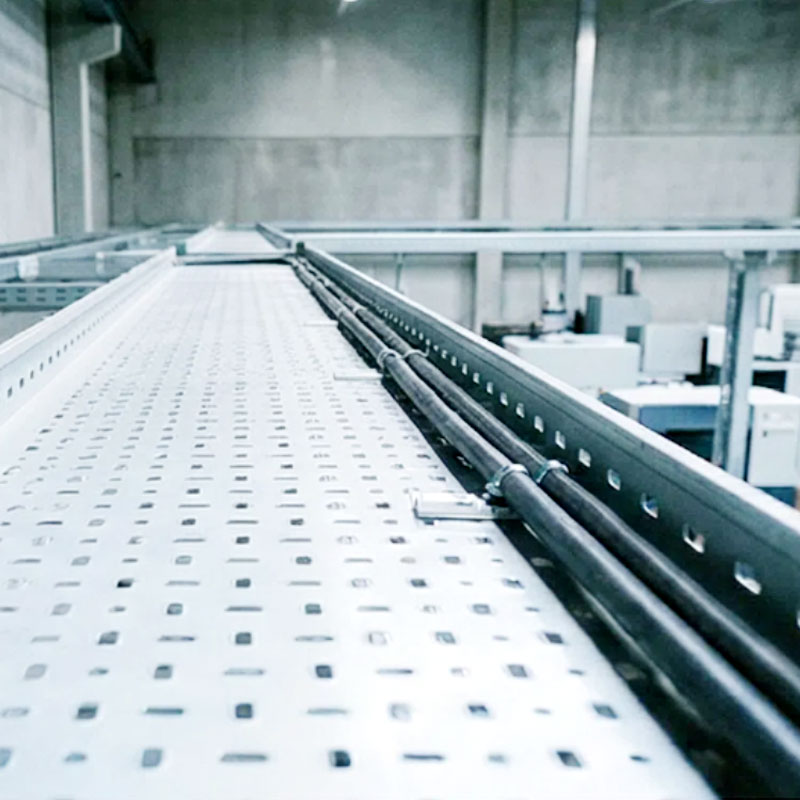
What Are Perforated Cable Trays?
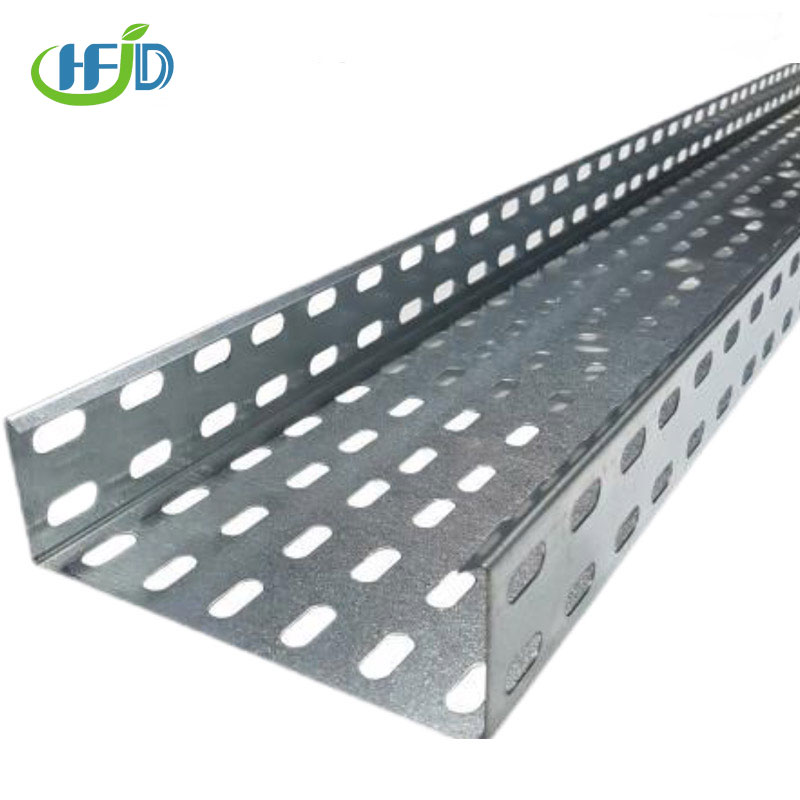
Perforated cable trays are metal cable management systems characterized by a flat base with regularly spaced holes. These perforations serve multiple purposes, including ventilation, weight reduction, and ease of cable fastening.
Unlike ladder cable trays, which consist of two side rails connected by rungs, perforated trays provide a continuous support surface. This makes them particularly suitable for smaller cables and applications requiring better cable stability.
Structural Features
- Flat bottom with uniform perforations
- Side rails for structural strength
- Modular design for easy installation
- Compatibility with accessories such as bends, tees, and reducers
Common Materials
- Galvanized steel (cost-effective, indoor use)
- Stainless steel (corrosion-resistant, harsh environments)
- Aluminum (lightweight and oxidation-resistant)
These material options allow perforated cable trays to be adapted to a wide range of commercial environments.
Key Benefits of Perforated Cable Trays
1. Superior Ventilation and Heat Dissipation
One of the most important advantages of perforated cable trays is their ability to promote airflow. The perforations allow heat generated by electrical cables to dissipate naturally, preventing excessive temperature buildup.
In commercial buildings with dense cable installations, such as data centers or office environments, effective heat management is essential. Proper ventilation helps extend cable lifespan, improve system safety, and reduce maintenance issues.
2. Cost-Effective for Large-Scale Commercial Projects
Perforated cable trays offer a cost advantage without significantly compromising performance. Compared to heavier systems, they require less material and are easier to install.
Their lighter structure reduces transportation and labor costs, making them an efficient choice for large commercial projects where budget control is critical.
3. Enhanced Cable Protection and Support
Perforated cable trays provide a semi-continuous surface that offers better support than open ladder systems. This helps prevent cable sagging and reduces mechanical stress.
They are especially suitable for smaller cables, including data, communication, and control cables, where stability and protection are important for maintaining performance.
4. Simplified Installation and Maintenance
Installation efficiency is a key factor in commercial construction. Perforated cable trays are designed for ease of handling and flexibility.
They can be quickly installed, adjusted, and expanded. Maintenance is also more convenient, allowing technicians to inspect or modify cables without significant disruption.
This is particularly valuable in commercial buildings where systems often evolve over time.
5. Improved Cable Organization and System Management
Perforated cable trays help maintain a clean and organized cable layout. This improves both operational efficiency and safety.
Well-organized systems make it easier to identify, trace, and manage cables, reducing downtime during maintenance and minimizing the risk of errors.
In commercial environments, organized cable routing also contributes to a more professional and structured infrastructure.
6. Versatility Across Commercial Applications
Perforated cable trays are highly adaptable and suitable for a wide range of commercial settings.
They are commonly used in office buildings, shopping malls, hospitals, data centers, and educational facilities. Their ability to support different cable types and configurations makes them a practical solution for diverse projects.
7. Balanced Load Capacity for Commercial Needs
Perforated cable trays are designed to handle medium load capacities, which aligns well with most commercial requirements.
They provide sufficient strength for mixed cable systems while remaining lightweight and cost-efficient. This balance makes them a preferred option in projects where heavy-duty solutions are not necessary.
8. Compatibility with Modern Building Standards
Commercial projects must meet various safety and engineering standards. Perforated cable trays are designed to comply with common industry requirements related to load capacity, fire safety, and installation practices.
Their standardized design ensures easier integration into compliant electrical systems.
Perforated Cable Tray vs Ladder Cable Tray
Choosing between perforated and ladder cable trays depends on project requirements.
| Feature | Perforated Cable Tray | Ladder Cable Tray |
|---|---|---|
| Ventilation | Moderate | High |
| Cost | Lower | Higher |
| Cable Support | Continuous | Intermittent |
| Load Capacity | Medium | High |
| Typical Use | Commercial | Industrial |
Perforated cable trays are generally preferred for commercial applications due to their cost efficiency and better cable support, while ladder trays are more suitable for heavy industrial environments.
When Should You Use Perforated Cable Trays?
Perforated cable trays are most suitable when cable loads are moderate, installations are primarily indoors, and cost efficiency is important.
They are also ideal when cable organization, accessibility, and future scalability are priorities. Their flexibility makes them effective in projects where changes or expansions are expected.
How to Choose the Right Perforated Cable Tray
Selecting the correct perforated cable tray requires a structured approach.
Evaluate Cable Load and Quantity
Start by determining the number, type, and total weight of cables. This will define the required load capacity and tray dimensions.
Select Appropriate Tray Size
Choosing the correct width and height is essential to avoid overcrowding and ensure proper airflow. Maintaining an appropriate cable fill ratio is also important for safety and performance.
Consider Environmental Conditions
Material selection should match the environment. Galvanized steel is suitable for indoor use, while stainless steel is better for corrosive conditions. Aluminum is a good option when weight reduction is required.
Plan for Future Expansion
Allowing extra space for future cable additions helps avoid costly system upgrades and ensures long-term usability.
Common Mistakes to Avoid
Several common mistakes can affect system performance.
Choosing a tray that is too small can lead to overcrowding and overheating. Ignoring ventilation requirements may reduce cable lifespan. Using the wrong material can result in corrosion or structural failure. Overloading the tray beyond its capacity can create safety risks.
Avoiding these issues is essential for maintaining a reliable cable management system.
FAQ
What are the main benefits of perforated cable trays?
They provide ventilation, cost efficiency, cable protection, and easy installation, making them ideal for commercial applications.
Are perforated cable trays suitable for heavy-duty use?
They are designed for medium loads. Heavy-duty industrial applications typically require ladder cable trays.
Can perforated cable trays be used outdoors?
Yes, if corrosion-resistant materials such as stainless steel or coated galvanized steel are used.
Why are perforated trays preferred in commercial buildings?
They offer a balance of performance, cost, and flexibility, which aligns well with commercial project requirements.
Conclusion
Perforated cable trays have become a standard solution for commercial cable management due to their efficiency, adaptability, and cost-effectiveness. They provide a well-balanced combination of ventilation, protection, and ease of installation, making them suitable for a wide range of applications.
For engineers, contractors, and project planners, understanding how to select and apply the right cable tray system is essential for achieving long-term performance and safety.
If you are sourcing perforated cable trays for a commercial project, working with a manufacturer that offers customizable sizes, materials, and technical support can significantly improve project outcomes and overall system reliability.