
Tabla de contenidos
Specifying cable support for emergency power, fire alarm interfaces, smoke control equipment, or critical process wiring is different from buying a standard tray for a normal branch route. A fire resistant cable tray is selected when the project needs organized routing, clear identification, suitable material performance, and installation details that support the building’s fire-safety strategy. The tray alone does not make ordinary cable fire-rated, but the right system helps the designer, installer, and inspector keep critical circuits visible, separated, and serviceable.
This guide explains how to evaluate a fire resistant cable tray before procurement. It is intended for electrical engineers, contractors, purchasing teams, and facility owners who need a practical checklist rather than a generic product description.

Define the Search Intent Behind the Specification
Most buyers searching for a fire resistant cable tray are not looking for color alone. They are trying to reduce project risk: Will the tray suit the cable schedule? Can it be inspected after installation? Will the support system match the load? Is the finish appropriate for the environment? Does the route meet the project documents and local code review?
Start by listing the circuits in the route. Emergency lighting feeders, control wiring, alarm interfaces, communication cables, and backup power circuits may require different separation or identification rules. A fire resistant cable tray should be chosen after those requirements are known, not after the tray width has already been ordered.
Where This Tray Type Is Commonly Used
A sistema de bandeja portacables supports insulated electrical cables while keeping them accessible for maintenance and future changes. A fire resistant cable tray is especially useful in buildings and facilities where cable route failure would create safety, operational, or inspection problems.
- Hospitals, airports, transit stations, tunnels, and public buildings with life-safety circuits.
- Factories and process plants where control cables are tied to shutdown or alarm functions.
- Data centers, energy rooms, and utility spaces with dense cable routes.
- Commercial buildings that separate emergency, communication, and normal power pathways.
- Outdoor or semi-outdoor projects where corrosion resistance and surface finish both matter.
If the route is exposed to humidity, chemical vapor, washdown, or coastal air, base material becomes as important as coating. A qualified fabricante de bandejas de cables can help align steel grade, tray profile, finish, accessories, and fabrication details before drawings are finalized.
Key Specification Factors
A vague request for a fire resistant cable tray can lead to substitutions that look similar but perform differently on site. The specification should describe the installation environment, cable loading, route layout, support method, and inspection expectations.
| Artículo | Por qué es importante | Qué confirmar |
|---|---|---|
| Perfil de bandeja | Perforated, ladder, and trunking designs handle heat, dust, and cable access differently. | Match the profile to cable type, bend radius, ventilation, and maintenance needs. |
| Base material | Material affects strength, corrosion resistance, and long-term service life. | Compare galvanized steel, hot-dip galvanized steel, stainless steel, and coated steel. |
| Coating system | Finish supports visual identification and surface durability. | Confirm coating type, adhesion expectations, color, and field touch-up method. |
| Support hardware | Tray performance depends on brackets, strut channels, couplers, and fasteners. | Coordinate support spacing with load, span, route changes, and drawings. |
| Code review | Electrical and fire requirements vary by location. | Confirm the applicable local rules and authority having jurisdiction. |
For North American projects, electrical teams often review installation planning against the Código Eléctrico Nacional NFPA 70. Cable tray design and installation practices may also reference recognized industry standards from organizations such as NEMA. Always confirm the exact edition and project applicability before approval.
Material and Finish Decisions
A fire resistant cable tray is commonly specified as coated steel because steel provides strength, stable fabrication, and compatibility with common support hardware. Powder coating can create a clean, identifiable finish for critical routes. Galvanizing improves corrosion resistance. Stainless steel may be better where corrosion is the dominant risk.
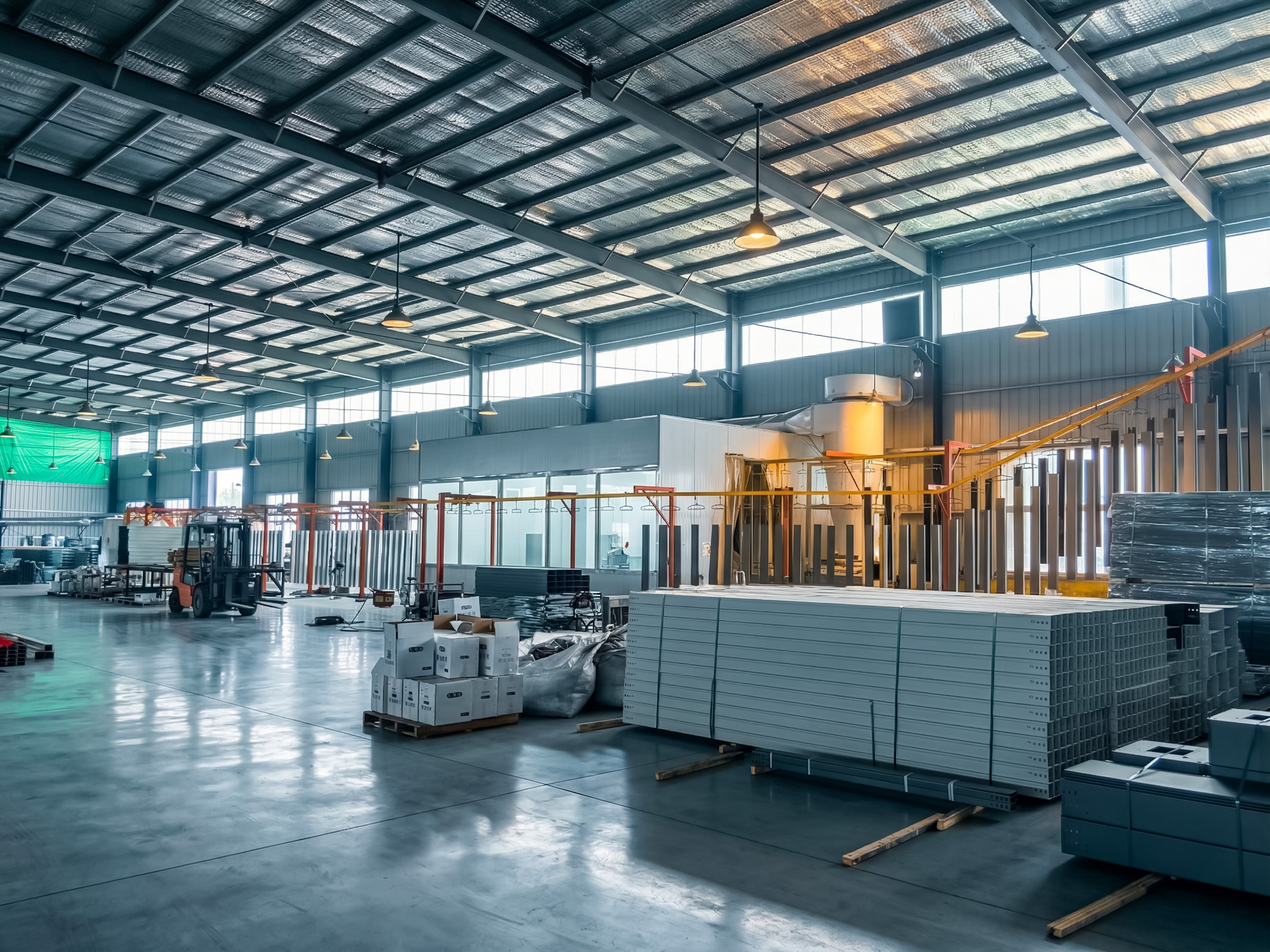
For indoor dry locations, a bandeja portacables perforada con recubrimiento en polvo can combine visual identification with ventilation and orderly cable routing. For heavy power runs, a ladder or heavy-duty perforated design may be more suitable. Covers can protect against dust or falling debris, but they should be reviewed because they may influence heat dissipation and inspection access.
Cable Fill, Heat, and Covers
Even a strong tray can be installed poorly if cable fill is ignored. Overcrowding makes inspection harder, increases the chance of cable damage, and may affect heat behavior. A fire resistant cable tray should have enough width and depth for the planned cable schedule plus realistic future allowance.
When covers, fire barriers, firestop materials, or protective coatings are part of the route, ask the electrical designer whether ampacity or derating needs review. The answer depends on cable type, grouping, ambient temperature, enclosure effect, and local code requirements. This is why a fire resistant cable tray should be selected with the cable schedule in hand.
Installation Details That Matter
Many route problems begin with small installation shortcuts. A good fire resistant cable tray specification should require compatible couplers, smooth edges, suitable fasteners, bonding continuity where required, correct bend radius, and support details for changes in direction. Field cutting should be controlled so exposed metal is treated according to the finish system.
Supports need the same attention as the tray body. Excessive spacing can cause sagging, joint stress, or poor alignment. Where suspended supports are needed, coordinate the tray with slotted strut channel support systems, brackets, beam clamps, and anchors. A fire resistant cable tray route should be reviewed as a complete load path.
Preguntas que debe hacer antes de realizar el pedido
- Which circuits will run in the tray, and do any require separation from normal power or communication cables?
- Is the project asking for route identification, fire exposure resistance, circuit integrity, or a combination?
- Will the route be indoors, outdoors, humid, corrosive, dusty, or exposed to impact?
- Are covers required, and has heat dissipation been reviewed?
- What support spacing, splice hardware, grounding continuity, and field touch-up process will be used?
- Does the submittal include drawings, material details, finish information, and accessory compatibility?
These questions make it easier to compare one fire resistant cable tray proposal with another without relying on appearance alone. They also help prevent a common procurement problem: buying tray sections first and discovering later that elbows, reducers, covers, or supports do not match the route.
Before approval, request drawings that identify each fire resistant cable tray section, cover, bend, reducer, and support point. Confirm that the fire resistant cable tray finish matches the environmental exposure, that the fire resistant cable tray schedule matches the cable list, and that the fire resistant cable tray accessories come from a compatible system. This final fire resistant cable tray review is often where costly omissions are caught.
Flujo de trabajo de selección práctica
Start with the cable schedule and building risk zones. Select the tray profile, then choose material and finish based on exposure. Confirm support spacing and accessories before finalizing quantity. Review the design against project specifications and applicable codes. Finally, request a submittal showing the fire resistant cable tray body, covers, fittings, connectors, support hardware, coating details, and labeling requirements.
The best results come from early coordination between the electrical designer, installer, safety reviewer, and manufacturer. A well-specified fire resistant cable tray will not solve every fire-safety requirement by itself, but it can make critical cable routes clearer, easier to inspect, and more consistent with the building’s protection strategy.